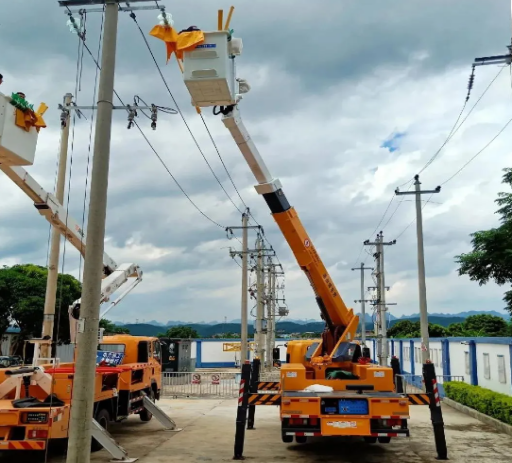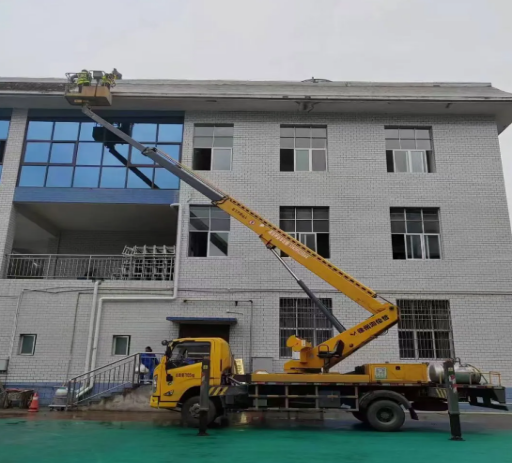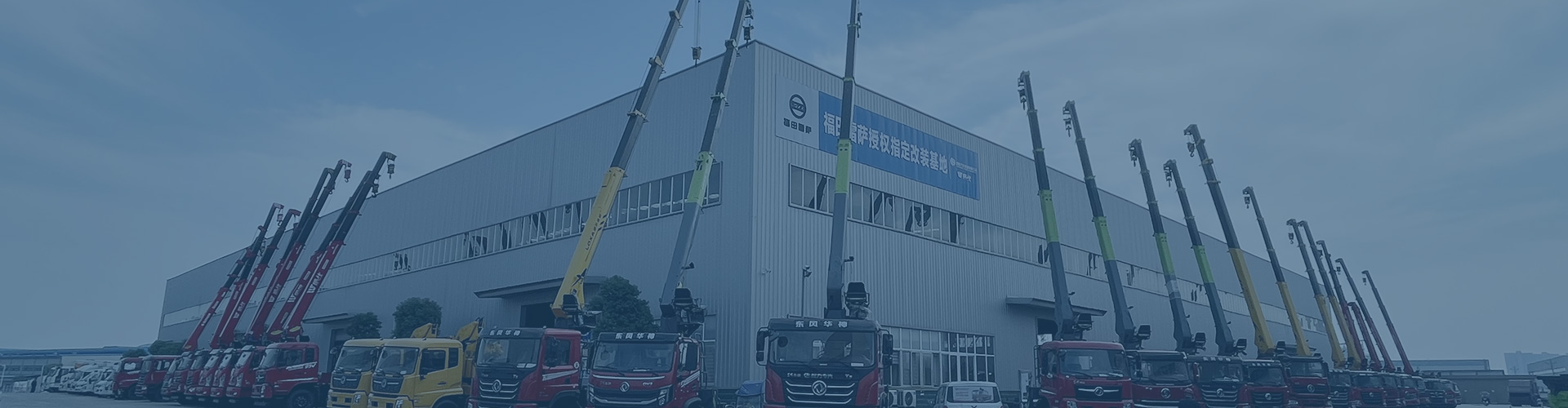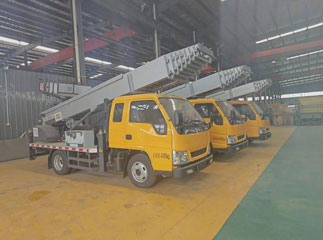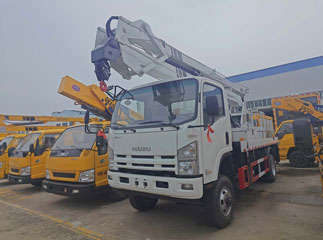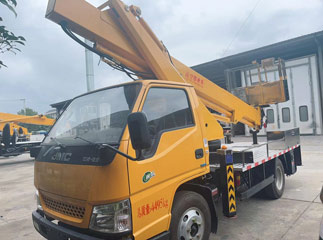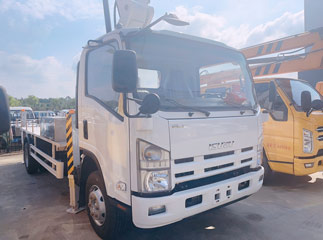
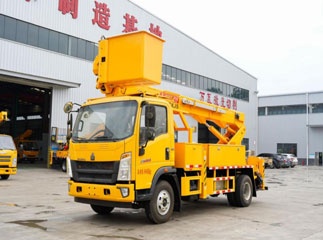
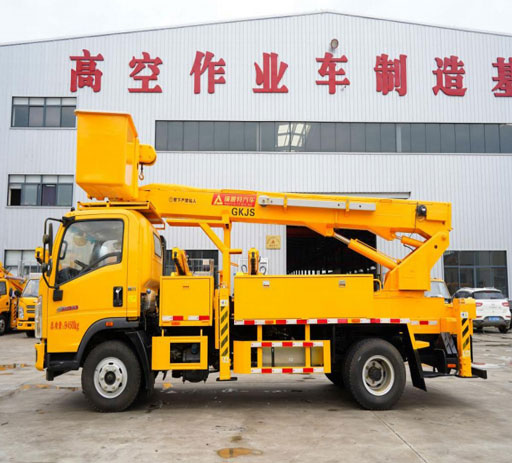
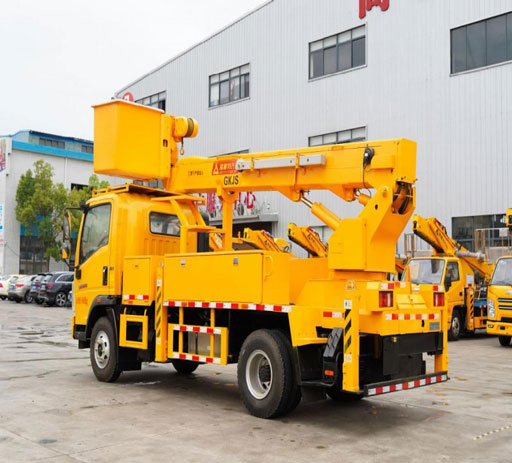


insulated material, hydraulic straight boom,max working height 17.5m,this one is also named cherry picker crane truck, use howo chassis, euro 2/5 emission standard, diesel engine
An insulated boom lift is a mechanical device that lifts electrical operators to work in areas with live power lines. Equipment operators and those working near the equipment must maintain the highest level of safety precautions. Because of the potential for personal injury from falling or contact with live power lines, operators must undergo rigorous training and obtain approval from the appropriate authorities before performing live work with the aid of an insulated boom lift.
Live Power Lines
Assume that all power lines present a risk of electric shock and maintain a minimum distance of ten feet from them.
- If work is required within 10 feet of power lines, only personnel certified for live work must perform the work.
- Use measuring and marking devices to help maintain an appropriate distance from live parts.
Fall Prevention
- Always take measures to prevent falls in all situations.
- Always use personal protective equipment (PPE), such as ropes and helmets.
- Do not lean on the edge of the work bucket or stand on anything inside the bucket.
- Always wear appropriate PPE. For fall protection on vehicle-mounted equipment, wear a full-body safety harness and fall arrest lanyard, hooked to a designated anchor point.
- Do not climb or sit on the edge of the work bucket. Keep your feet firmly flat on the floor of the work bucket.
Tools
- Tools used on aerial work platforms should be connected to non-conductive tool hoses to prevent electric shock.
- Inspect tool hoses for wrinkles that could cause hose failure. Avoid allowing cord wraps to contact the wires from black tool hoses; they are highly conductive and could cause arcing, which could create holes in the hose and allow hydraulic fluid to escape, creating a potential fire hazard.
Safe use of aerial work platforms requires equipment owners and operators to strictly follow the equipment manufacturer's correct operating instructions and applicable federal, state, and local regulations. Improving safety is essential to preventing various accidents. The U.S. Occupational Safety and Health Administration (OSHA) and the American National Standards Institute (ANSI) have established regulations to identify potential hazards and minimize accidents. Operators of aerial equipment are constantly surrounded by potential dangers, so identifying and preventing these potential hazards is an essential element of safe working practices on aerial work platforms. Being aware of these risks is absolutely essential to avoiding accidents!


| Truck name | howo high aerial working platform truck |
| Chassis parameters | |
| Chassis brand | howo |
| Emission standard | Euro 2/5 |
| Driving type | 4*2 left hand/right hand |
| Tire specification | 7.50R20 6 tires +1 spare |
| Wheel base | 3300 mm |
| Engine | yunnei |
| Transmission | manual |
| Air condition | Heat and cold air conditioning |
| Super structure parameters | |
| max working height | 17.5m |
| boom type | hydraulic straight telescopic boom |
| Hydraulic assy | Domestic famous brand |
| Operation assy | CAN and manual operation |
| Remote control | optional |
| truck material | insulated boom and working platform |
| working platform capacity | 200kg |
| hydraulic support leg | 4 units |